











Baby and Toddler Care: Simple Tips for Happy and Healthy Little Ones
The time spent of baby and toddler care is full of love, learning and new experiences, and it is a beautiful thing. Meanwhile, parents and carers might have lots of questions about feeding, sleeping, hygiene, safety and routines. It is helpful to know what young children have as basic needs so that their care can be smoother and more enjoyable.
In this baby and toddler care guide, we’ll explore simple and practical tips to help create a safe, comfortable, and nurturing environment for little ones.
1. Create a Safe and Comfortable Environment
This baby and toddler care guide will discuss some of the tips that you can use to make your baby’s environment safe, comfortable and nurturing.
Ensure a safe and comfortable environment is established.
Never forget safety when taking care of babies and toddlers. Secure small items, sharp objects, medication, cleaners and other hazardous household products from their reach.
Toddlers are more mobile, and it is their nature to explore around them. Making stairs, electrical outlets, cabinets, and windows childproof will help make your setting safer.
Comfortable sleeping space is also crucial. Babies need a safe sleep environment, based on the most recent evidence-based recommendations for pediatric safe sleep.
2. Set a very Basic Schedule
Predictable routines of the day can help babies and toddlers. Children can be guided in their understanding of what to expect by following consistent routines for their meals, napping, play, bathing and bedtime.
A routine doesn’t have to be strict. Each child is unique and parents may customise the times to suit their child’s age, needs and family life.
3. Eat a Healthy Diet
Children’s growth and development are helped by good nutrition. Babies need different types of nutrition at different ages and stages.
Breast milk or a suitable infant formula is the appropriate feed for infants in the first few months of life. Once a baby’s development allows for complementary foods, parents can start to introduce a range of appropriate foods.
A healthy choice of vegetables, fruits, grains, protein foods and other healthy foods are available to toddlers. Let children try new flavors and textures and make mealtimes a pleasant experience.
4. Maintain Good Hygiene
Good hygiene is an essential element in the care of babies and toddlers. Wash your hands before you prepare food and after you change diapers or do other messy things.
Maintain the cleanliness of bottles, feeding equipment, toys, and surfaces that are touched often, in accordance with the instructions for cleaning. Bathing and changing diapers regularly also makes babies comfortable.
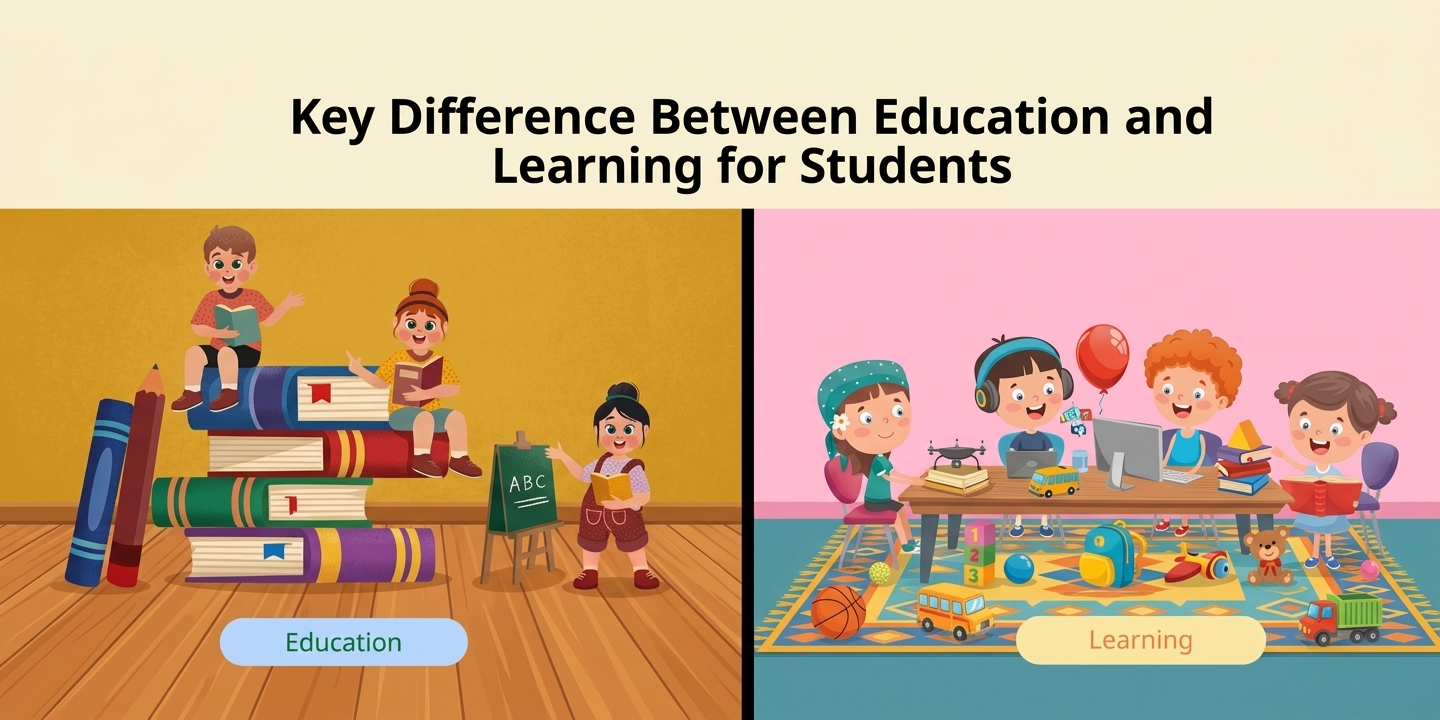
5.Promote play and learning
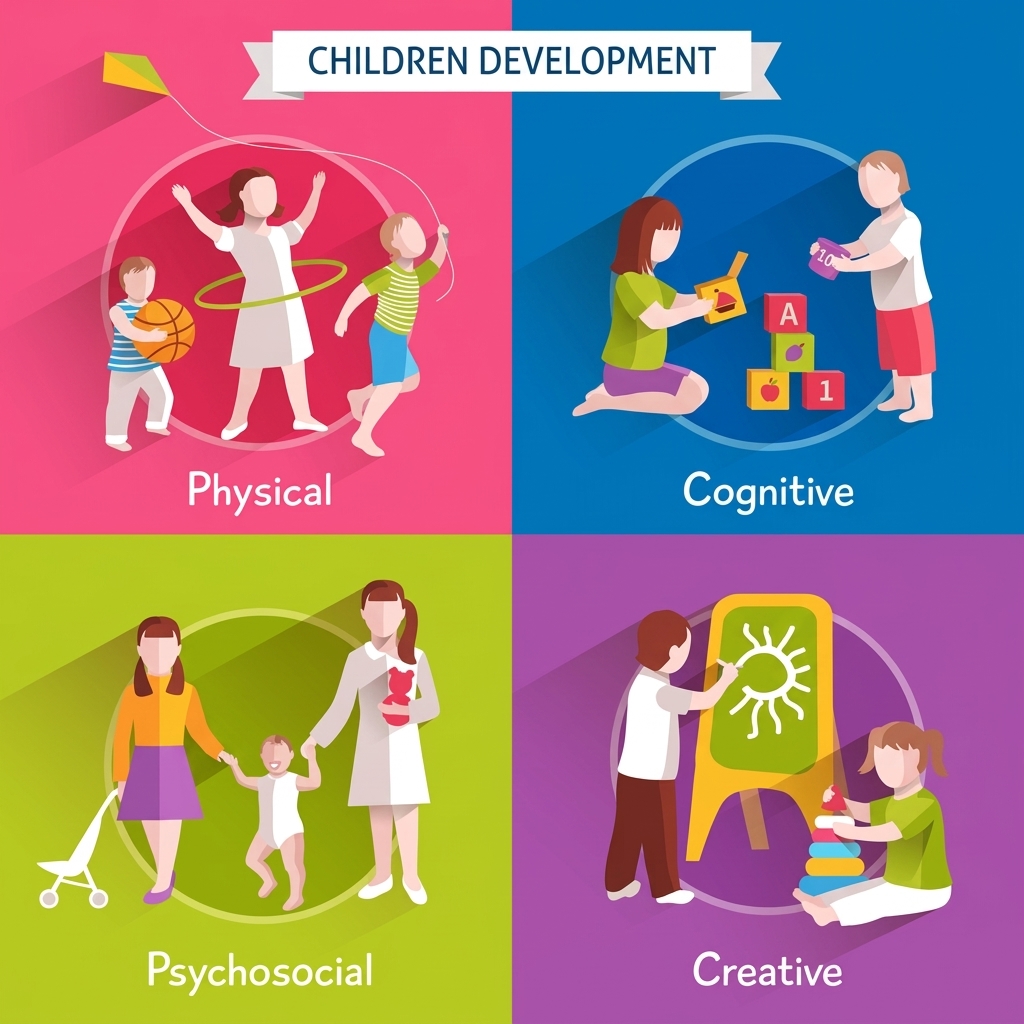
Play is a significant aspect of the development of young children. Babies learn through seeing, hearing, feeling, moving and interacting with others.
Reading picture books, singing songs, conversing with your child, playing with his/her age-appropriate toys, drawing and stacking blocks can stimulate learning and promote communication.
Toddlers also enjoy times to try out new experiences and skills in a secure setting.
6. Provide plenty of love and attention
Kids require more than just food and physical care. The warm and affectionate interactions, talking, singing and attending to a baby’s needs help to establish a sense of security.
If your baby or toddler is using crying, sounds, gestures or words to make himself known, reply calmly and consistently in a way that helps him feel understood and supported.
7. Promote Good Sleeping Postures
Sleep is an important aspect of childhood. As infants and young children grow it is important that they get a lot of sleep, but not necessarily at the same times.
Children can be prepared for sleep with a calming bedtime routine which includes time for a bath, quiet play, reading and a regular bedtime.
Adhere to age specific safe-guidance for infants (e.g., placing infant on the back for sleep, no loose bedding or other soft objects in the sleep area).
8. Choose Age-Appropriate Activities
Children acquire new skills at different times. Select toys and activities that are age-appropriate for your child.
Choose toys that do not have small parts that can cause small children to choke. Please adhere to the manufacturer’s age guidelines – when necessary, supervise children while playing.
9. “Don’t forget about yourself!
Parenting is a rewarding job, but also a job that can be tiring. Short breaks, rest if possible, regular eating and seeking support from trusted family members and/or caregivers can have an impact.
Parent well-being is important, as well. Don’t feel like you need to get it right – it’s the consistent loving care that’s important.
10. Understand When to Call in the professionals
Each child is individual and sometimes parents aren’t certain if a particular behaviour or feeding or sleeping concern or developmental change is normal.
Consult an expert pediatrician or other qualified healthcare provider if concerned with your baby’s or toddler’s health, development, feeding, sleep or behavior. If you have any symptoms that are causing you problems or if you are in an emergency situation, get medical attention right away.
Final Thoughts
Baby and toddler care is about a safe, loving and supportive environment in which children can grow and explore. Good health habits, healthy meals, safe sleep, active play, affection all contribute to a child’s well-being – but they are simple routines.
Be aware that every child progresses in his/her own way. Don’t compare your child with others, attend to their needs and progress. The parenting experience can be made a little more doable and pleasurable with patience, attention, and sound advice from health care providers when necessary.


One thought on “Baby & Toddler Care: Simple Tips for Happy and Healthy Kids”
Comments are closed.