










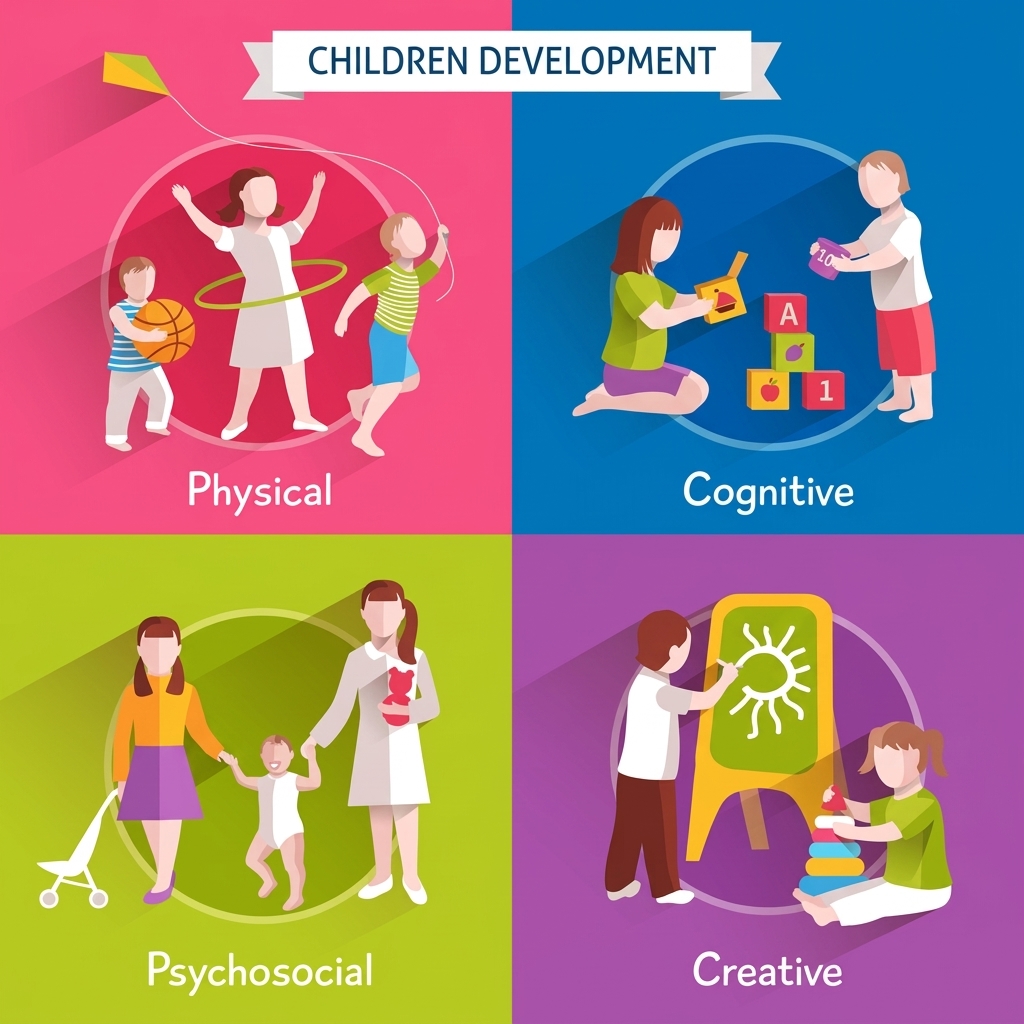
Positive Parenting Tips for Healthy Child Development
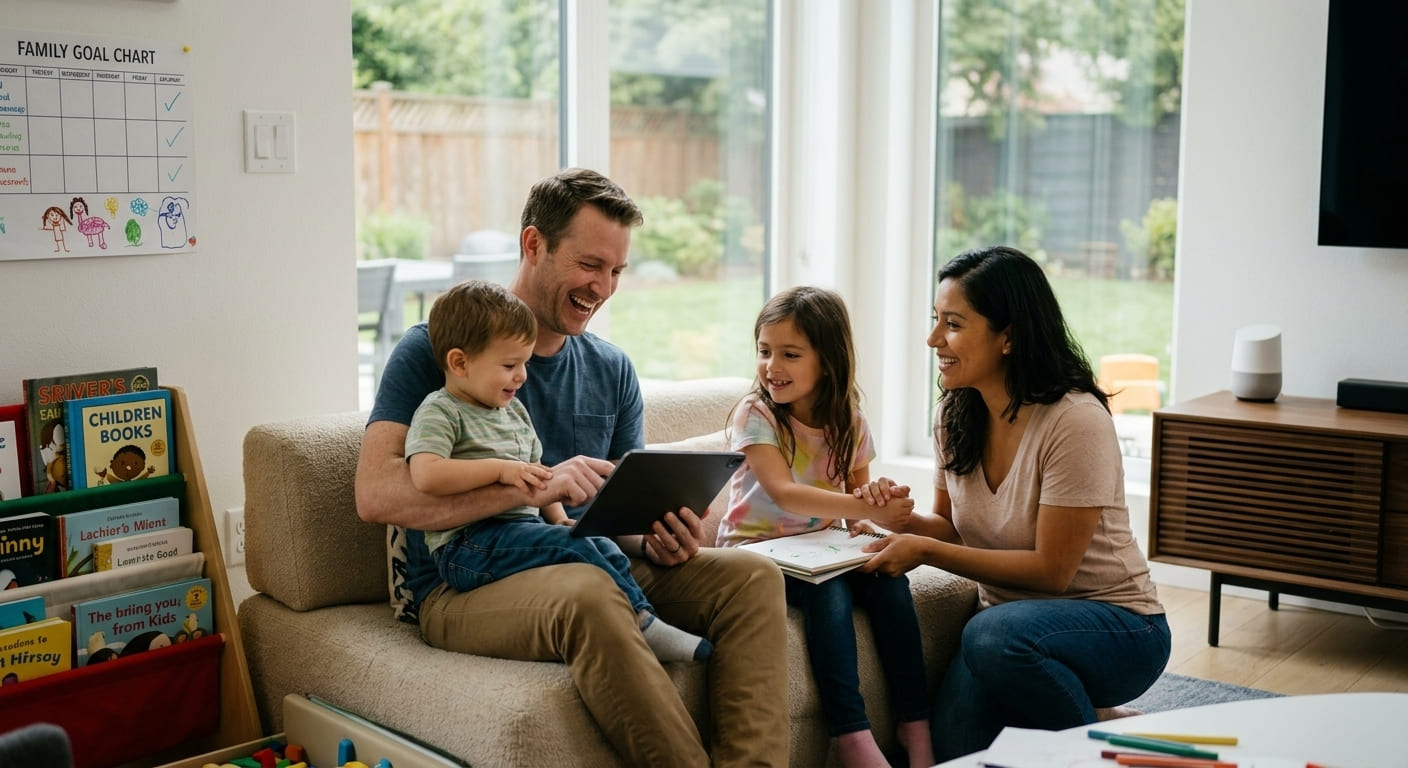
All children are different and childhood is a critical period for learning, emotional development, and acquiring new skills. Parents can play a key role in this process through everyday activities, positive parenting, and healthy communication.
Whether it’s brain development games or dealing with stubborn behavior, there are plenty of real-life strategies to help children learn while strengthening their bond with you. Simple tips for child development, positive parenting, stubborn behavior, and communication skills are going to be explored throughout this guide.
Brain Development Games for Children
Play is one of the best ways children learn. Games that are age-appropriate can stimulate curiosity, memory, creativity, problem-solving, and communication.
1. Puzzles and Matching Games
Children can be guided in thinking and problem solving with simple puzzles, shape-matching activities and color-matching games. Always begin at your child’s age level and move up.
2.Storytelling and Picture Games
Point to a photo and say, “What do you see? or “What do you think is going to happen next?” These activities can stimulate thinking, vocabulary, and imagination.
3. Building Blocks
Creativity and problem-solving can be promoted through building blocks and other age-appropriate construction toys. Allow children to design their own products instead of always demonstrating what to build.
4. Memory Games
Simple memory games help children practice remembering objects, pictures, or patterns. Make the activity age appropriate and enjoyable for the child.
How to Cut Down on Stubbornness in Children
When children act stubborn, they may be trying to communicate their frustrations, independence, or feelings. Young children don’t always have a way to communicate what they need so they may cry, refuse, or take some action to insist.
Parents can also attempt to discover the underlying cause of behavior rather than reacting angrily at once.
1.Stay Calm
If the child is upset, yelling can make the situation worse. Aim to speak in a calm manner and validate the child’s feelings.
You may explain that they feel upset because they wished for something. Accepting a child’s emotions doesn’t mean giving in to all their wishes.
2.Set Clear Boundaries
Children want clear, consistent limits. Use non-technical language to explain what can and cannot be done. Have key rules be consistent so children understand what to expect.
3. Offer Simple Choices
If suitable, present your child with 2 choices when both are acceptable. For instance, allow them to select one of two outfits or one of two activities.
Limiting options is a way for children to practice decision making skills within reasonable limits.
Avoid Long Arguments Child Development
If a child is really upset, a long explanation may not be helpful at this time. Allow them to cool down and talk about it when they are in a calmer state of mind.
What Is Positive Parenting Child Development ?
Positive parenting involves fostering a healthy relationship with your child, characterized by respect, patience, communication, encouragement, and setting clear limits.
Positive parenting is not the same as letting children do whatever they want. Rather, parents teach, model, and encourage behaviors and boundaries for good reasons.
Simple Positive Parenting Habits for Child Development Tips
• Listen carefully when your child speaks.
• Praise specific positive behaviors.
• Establish clear, age-appropriate rules.
• Provide children with opportunities to make mistakes.
• Set an example that demonstrates calm, respectful communication.
• Spend some quality time together regularly.
• Focus on effort, not just results.
What can parents do to help improve their children’s communication skills?
Good communication skills enable children to communicate needs, feelings, ideas and experiences. Parents can encourage communication through daily interactions.
1. Check in with your child regularly.
Discuss everyday routines, household items, stories, natural surroundings, etc. These simple conversations provide opportunities for children to learn new words and to express themselves.
2. Listen Without Interrupting
Wait until your child has finished speaking. Patient listening can build confidence even if they speak slowly or find the right words.
3. Ask Open-Ended Questions
Do not ask yes or no questions; ask questions that allow children to explain their thinking.
For instance, a question might be, “What was the best part of your play today?”
4. Read Together
Spending time reading age-appropriate books together is a straightforward way to promote language and communication. Discuss the illustrations, the characters, and what happens in the story, and encourage your child to express their thoughts.
Understanding the importance of parent behavior.
Children listen to adults, but they also observe what adults do. Parents provide opportunities for children to see and practice calm communication, respectful listening, and patient management of daily challenges.
Parents can model calm behavior when things get rough instead of just saying “calm down”.
Encourage Independence
As children develop, they become curious about doing things on their own. Assigning them with age-appropriate tasks can support their confidence and decision-making abilities.
Learning can be achieved through simple activities like putting toys away, choosing between two appropriate alternatives, helping with simple chores, and arranging things.
Avoid Comparing Children
Children learn at their own speed. Comparisons can lead to additional pressure.
Pay attention to your child’s personal growth, interests, strengths, and needs. If you have concerns about your child’s development, behavior, communication, or learning, talk to a qualified pediatrician or child-development expert.
Final Thoughts
Child development doesn’t always need expensive toys or complicated activities. They can learn a lot from simple brain development games, storytelling, reading, and everyday conversation, as well as creative play.
Positive parenting can also teach boundaries to children at the same time they are feeling supported and respected. However, with patience, appropriate options, and the encouragement of healthy communication, parents can help children develop these necessary emotional and social skills over time in response to stubbornness.
Perhaps most importantly, keep in mind that each child is unique. Create a safe, loving and encouraging environment for your child to learn, communicate, explore, and grow.


One thought on “Child Development Tips: Fun Brain Games and Positive Parenting Ideas”
Comments are closed.