











First Time School Going: How to Prepare Your Child for a Happy School Journey
First Time School Going is an important event for all children. It introduces new friends, fun experiences, and lots of knowledge. Yet the first day of school can also be a strange or troubling day for little ones. Parents may fear separation, new routines, and how children will cope.
However, with some preparation, that change can be easier. By being patient, encouraging, and doing a few simple things, you can help your child feel safe and confident. This guide serves to inform you how you can get your child ready for a happy school journey.
1. Enjoy a conversation about school in a positive way.
Talk with your child about school before school starts. Describe how they will meet teachers, play with other children, listen to stories, and learn new things.
Try to keep explanations brief and happy. For instance, the answer could be, “at school, you can make new friends and have fun activities.
There are picture books about starting school too. These stories begin to teach children what to expect. This can make school less strange.
But don’t make promises that won’t be fulfilled. Instead, tell them the Teacher will assist them and that they might be a bit nervous initially.
2. Set a straightforward daily exercise Routine
Undisturbed repetitive schedules allow children to feel a sense of comfort and readiness. Start changing sleeping and waking patterns a few weeks before first time school going.
Aim for a straightforward morning routine. This can involve getting up, brushing teeth, having breakfast, getting dressed, and packing the backpack.
Simultaneously, establish a calm bedtimes routine. A bed-time story or quiet conversation can help your child relax.
Mornings go smoother with a routine. It also offers children an idea of what is next, providing a sense of security.
3. Teach basic self-care skills.
Kids don’t have to get every skill the day before school. However, they can make their school day easier by learning a few basic tasks.
Help your child practise:
– Washing and drying the hands.
– Toilet usage and requesting assistance if necessary.
– Eating snacks independently.
– Opening their lunchbox and water bottle.
Use shoes and control basic clothes.
– Storing items in the same location.
Be patient when your kid is learning. There are things that will take time, and there will be mistakes.
Most importantly, allow your child to practice without anxiety. Little successes can increase confidence and develop independent learning.
4. See the school before your child’s first day.
Go to the campus before school hours if possible. Point out the classroom, playground, entrance, and other familiar places.
If you can also meet the teacher in advance, your child will feel more comfortable. Careful introduction on the first day may ease anxiety.
If a visit isn’t an option, discuss the school trip. If possible, you can also display photos of the school to your child.
Describe who will take them home and who will collect them. Having a plan in place can offer comfort and minimize uncertainty.
5. Short Separations at Home – Practice
Being away from their parents is the most difficult transition some children face when entering schools. They can become anxious when a parent is gone, even for brief periods.
To help, practise short separations at home in a familiar and safe place. For instance, if your child spends a few minutes with a trusted family member while you leave.
Keep returning as promised. This teaches your child that goodbyes are not forever.
At the start of school, make your farewells warm and brief. Report the time of your return, say goodbye to your child, and adhere to the school drop-off protocol.
Do not sneak out, as this can make it hard to separate in the future.
6. Encourage Learning Through Play
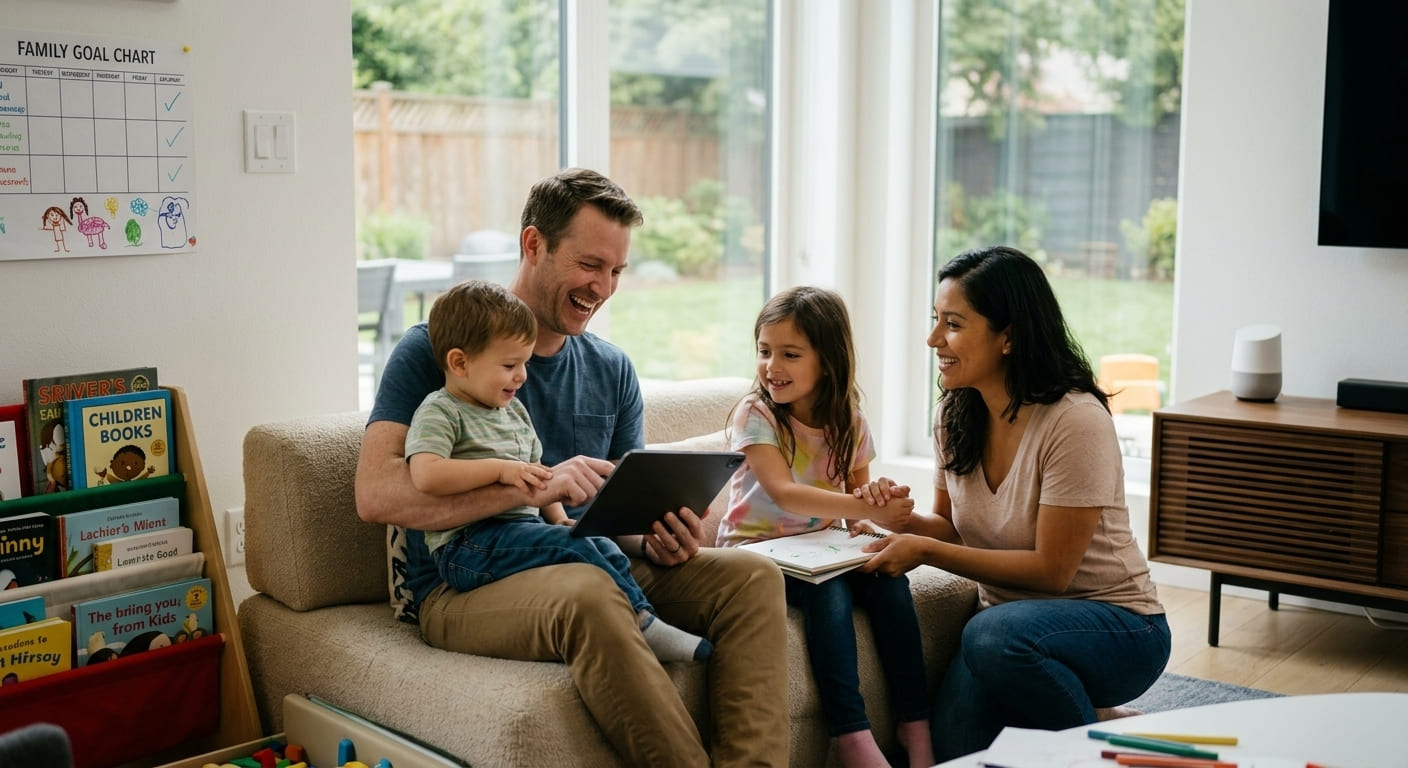
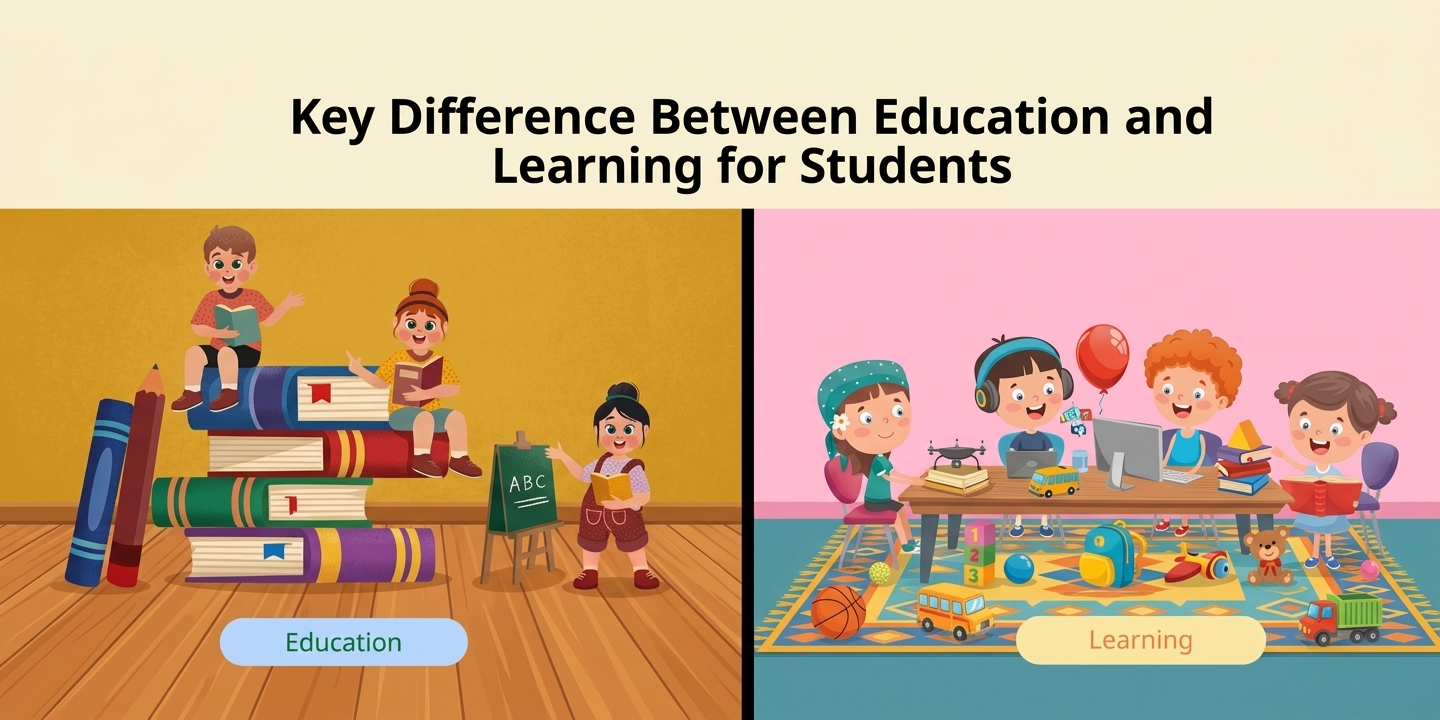
Doing pre-college preparation is not the same as teaching your child every academic skill ahead of time. Children learn a lot during play in their daily lives.
Simple activities for early learning and development.
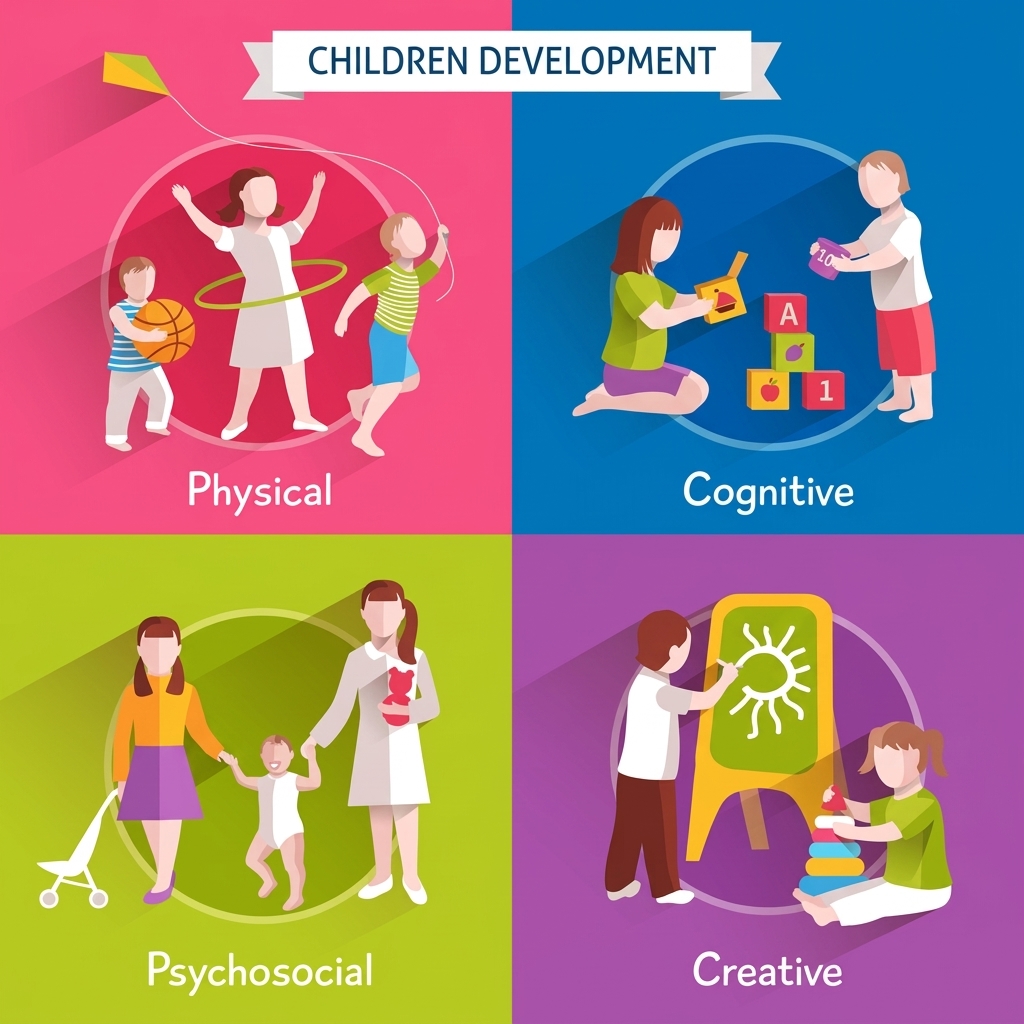
For instance, read a picture book, count toys together, draw shapes, sing songs, or sit and construct things with blocks. These are activities which can enhance language, memory, creativity, and problem-solving ability.
Turn taking can also be encouraged through simple games. This can help children learn patience and how to engage with others.
Keep these activities fun. It is not about putting pressure on them, it is about creating curiosity and confidence.
7. Help Your Child Develop Social Skills
At school, children have opportunities to interact with classmates and teachers. But sharing, waiting and communicating will require practice.
Schedule playtime with other kids whenever possible. Proof: Encourage your child to take turns, share toys, use polite words.
They can also repeat simple sentences together, like, “Can I play with you?” or, “May I have a turn?”
Clarify that kids can feel and think things differently. If a disagreement occurs, lead your child in calm communication.
Keep in mind that social skills develop at different rates in every child. Consistent reassurance and frequent repetition makes all the difference.
8. Prepare School Supplies Together
Watching for school supplies can make the upcoming change feel exciting. Allow your child to be involved in deciding on a school bag, lunch box, water bottle, or whatever the school permits.
Label belongings appropriately if necessary. Practice packing the bag as a family so your child understands where everything goes.
Wear a comfortable outfit and school-approved shoes. Additionally, review the schools list of purchases before purchasing supplies.
Small choices make your child feel included. It can also establish a positive association with the support of the first day of school.
9. Be patient with first day feelings
Despite the best of plans, your child may cry, may stay silent, and may not be able to enter the classroom on the first day. These can occur when a child is placed in an unfamiliar environment.
Keep a cool head and validate their emotions. You can say, “I understand that you feel nervous, but your teacher is here to help you, and I will be back after school.”
Honor teacher suggestions regarding drop off and settling in procedures. It has been noted that some schools have extended transition times, which can assist children who require additional time.
After school, listen without overwhelming your child with too many questions at a time. Acknowledge minor milestones like class entry or participation in an activity.
If the distress persists or intensifies, discuss the situation with the teacher and determine how you can best support your child.
10. Work Together With the Teacher
Positive parent and teacher relationships can support children’s transition to school. Provide relevant details relating to your child’s routine, communication, allergies, or any other concern.
Check in with the teacher about how your child is doing and what further support might be needed.
Reenforce simple school routines at home and encourage your child to talk about what happened at school. Don’t compare their progress against other children.
Children require time to adapt. Common ground means parents and teachers can support each other.
Final Thoughts
First time school going preparation requires time and understanding, as well as patience. The transition can be made smoother with simple routines, positive conversations, playful learning and basic self-care practice.
Just recall your child does not need to feel confident everyday. Some mornings will be simple, some mornings will have tears, and some mornings will have questions. Provide encouragement, praise for small successes, and maintain communication with teacher.
Your child can build up confidence, have some new friends, and enjoy a happy school journey over time with loving support and a little preparation.
One thought on “First Time School Going: Prepare Your Child for School”
Comments are closed.