








Easy Homemade Mayonnaise Recipe Creamy, Smooth & Delicious.
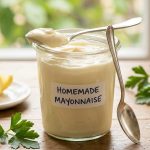
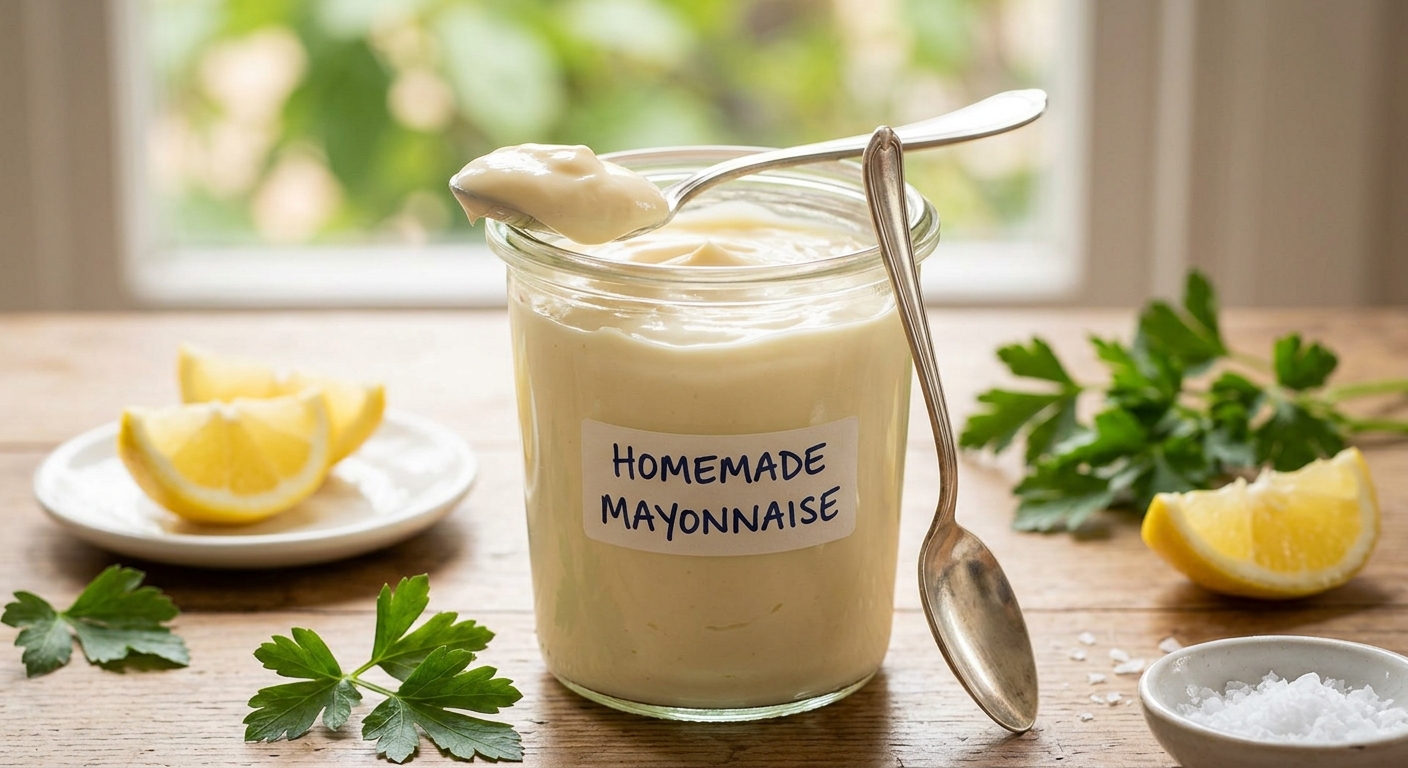
Homemade Mayonnaise recipe is so creamy, thick, and smooth and is very simple to make. You won’t have to buy mayonnaise from the grocery store anymore when you can make fresh mayo yourself. It’s a super simple mayo recipe, which is great for beginners and takes just minutes to prepare.
You can enjoy this mayonnaise in burgers sandwiches wraps, salads, and so much more. The great thing about this mayonnaise recipe is that you most likely already have the ingredients in your kitchen.
In this article you will discover how to prepare mayonnaise at home, which ingredients are necessary and all the important information for preserving it in the best possible way. Prepare homemade mayonnaise with the simple steps listed below.
What Is Mayonnaise?
Mayonnaise is a thick, spreadable sauce composed mostly of oil, egg yolk or whole egg, and an acid such as lemon juice or vinegar, with some salt. The ingredients are combined to give a thick, rich sauce.
Mayonnaise- Mayonnaise is used as a bread and sandwich spread by many. It can also be found in burgers, chicken rolls, pasta salads and homemade dips.
How to Make Mayonnaise from scratch A Batch of Homemade Mayonnaise Is Only Minutes Away. In this homemade mayonnaise recipe, you can control the flavor.
Why Make Mayonnaise at Home?
Reasons to try this easy mayonnaise recipe.
Easy-to-make: only a handful of your everyday kitchen ingredients.
Quick to prepare: You can mix your own mayonnaise in seconds.
Flavor fresh: mayo prepared fresh from scratch has a rich, creamy texture that makes the product taste better.
Adjustability: You can increase or decrease the quantity of lemon juice, salt, and mustard used in this recipe as your taste.
Of course: Home made mayo can be used in tons of ways, in sandwiches, burgers, salad, dressings, and dips!
Like to make your own sauce? This easy mayonnaise recipe is easy to make.
Homemade Mayonnaise Recipe
Ready in: 510 minutes No Cooking Time Easy Difficulty.
Ingredients for Homemade Mayonnaise
You require this ingredients to prepare this creamy mayonnaise recipe.
– 1 large pasteurized egg
– 1 cup (240 ml) of an oil that has a neutral flavor (e.g. sunflower or canola oil)
– 1 tablespoon of lemon juice or white vinegar.
– 1 teaspoon mustard (optional)
– teaspoon salt, or to taste
– 12 teaspoons water, if needed to adjust the texture.
Note: this recipe calls for a pasteurized egg to give you a safer version of homemade mayonnaise. Raw unpasteurized eggs can be contaminated with bacteria. If you cannot find a pasteurized egg, use a commercially prepared mayonnaise or a recipe that does not use raw eggs.
How to Make Mayonnaise at Home
Just follow these easy steps to make easy homemade mayo.
Step 1: Prepare the Ingredients
Take out all your ingredients before you begin. Measure the oil, lemon juice, salt, and mustard.
Putting the proper quantity of each ingredient in your recipes can help you create a smooth mayonnaise recipe.
Step 2: Add the Egg and Seasoning
Add the pasteurized egg, lemon juice or vinegar, mustard, and salt to a clean tall mixing jar.
If you’re using an immersion blender a high, narrow jar makes for a perfect blending container. Make sure that your jar is dry and clean before starting to mix.
Step 3: Add the Oil
Add the oil to the jar. The most simple way to do this is to insert the head of an immersion blender into the jar.
Begin blending without moving your stick blender downwards for a few seconds until the mixture begins to thicken. When the mixture has started to go creamy, raise the stick blender slowly to blend in the remaining oil.
Keep going until it starts to get thick and creamy.
Step 4: Check the Texture
See the mayonnaise after you have blended it. It needs to be creamy, thick, and spreading consistency.
If you do make a sauce that’s too thick, just add a small amount of water and blend quickly. Add water sparingly so that you don’t turn your sauce too thin.
Step 5: Adjust the Taste
Sample the mayonnaise on a clean spoon. If it needs more lemon juice or salt, add a little.
Mix again just long enough to combine everything. Your house made mayonnaise is completed.
Transfer it to a clean, covered container and put it in the fridge.
Tips for Making Perfect Homemade Mayonnaise
Here is some advice, which will produce even better results when following this mayonnaise recipe:
1. Use a neutral-flavored oil
Sunflower or canola oil are fine, as their taste is relatively neutral. Extra virgin olive oil will give the mayonnaise too strong and bitter a flavour.
2. Use a clean mixing jar
Use a clean jar and blender to help eliminate the chances of contamination. Wash your hands and utensils before preparing food.
3. Blend carefully
Begin at the bottom of the jar with the immersion blender. As the mixture thickens, slowly raise the immersion blender.
4. Add lemon juice in the right amount.
Lemon juice Squeeze a little lemon juice over your mayonnaise and then taste it. Make sure the mayonnaise has the amount of lemon in the recipe and then add to it if you’d like to have a little more lemon flavor.
5. Keep everything chilled
Mayonnaise made with eggs should be treated with caution. Keep it refrigerated and don’t leave it out at room temperature for any extended time.
Common Mistakes to Avoid
It doesn’t take too much to sabotage even a basic mayonnaise recipe.
Adding in too much oil, too fast, with a whisk: If you whisk by hand, add the oil very slowly to start with.
Strongly flavoured oil: can alter the flavour of your mayonnaise.
Putting in excess of water: adding some drinking water will loose thick mayonnaise, but an excessive amount will likely make it runny.
Consuming an unpasteurised raw egg: This can cause food poisoning.
Mayonnaise not in the fridge: Egg-based mayonnaise may go bad when kept out for too long.
How to Fix Broken Mayonnaise
Mayonnaise sometimes doesn’t thicken and turns apart or doesn’t get as creamy as you like.
If you want to try and rescue it, add 1 tbsp of egg to a clean bowl and then very slowly whisk in the very thin mayonnaise to the egg, in very small quantities, until it begins to thicken.
Store the processed mayonnaise in the refrigerator and use clean utensils.
How to Use Homemade Mayonnaise
One of the nicest things about homemade mayonnaise is that you’ll be able to use it with all kinds of casual foods.
Here are some easy ideas:
– Sandwiches Cover bread with mayonnaise before filling with vegetables, cheese, or cooked chicken.
– Burgers: Mix in a spoonful and add a little more flavor to your burger.
– Chicken rolls: Combine mayonnaise with cooked chicken and vegetables to make a simple filling.
– Pasta: Mix in a bit of mayonnaise with cooked pasta and vegetables that has been cooled.
– Dips: whisk mayonnaise with some garlic, herbs, or a bit of mustard for a ready-made dip.
– Potato salad: Mix in mayonnaise with boiled potato and chopped vegetables.
So these concepts have this simple mayonnaise recipe handy for fast snacks, lunch, and the nightly household meal.
How to Store Homemade Mayonnaise
It must be stored correctly when preparing mayonnaise with eggs.
– Transfer the mayonnaise into a clean, sealable jar.
– Store in refrigerator at 4C (40F) or lower.
– Do not leave it at room temperature for more than 2 hours or 1 hour if the temperature is above 32C(90F).
– Always use a clean tool to remove mayonnaise from the jar.
– If it’s been stored in a non-airtight container or beginning to smell, dump it.
Learn how to make mayonnaise with eggs. Don’t expect homemade mayonnaise with eggs to keep for weeks, so follow food safety advice when you make homemade mayonnaise with eggs. Make small amounts so you can use up the mayonnaise quickly.
Is Homemade Mayonnaise Healthy?
Mayonnaise prepared at home can fit into a healthy diet, but it is high in fat and calories as it is first and foremost oil.
You can enjoy it as a treat or in moderation with sandwiches, salads, or other meals. The nutritional value will depend on the ingredients you choose and the amount you use.
Also, don’t assume that homemade mayonnaise is more healthy than store-bought. Given the commercial product, it may be made with pasteurized ingredients or have different storage and food safety features.
Frequently Asked Questions
1. Can I make mayonnaise without mustard?
Yes. You can make this mayonnaise without the mustard. It is just a simple seasoning that you can omit.
2. Why is my homemade mayonnaise too thin?
Mayonnaise can also be thin if the ingredients didn’t combine. You can try whisking it in very slowly to another fresh tablespoon of pasteurized egg in a clean bowl.
3. Can I use sunflower oil for mayonnaise?
Yes. It’s good to choose sunflower oil as it has a mild flavour, and is suitable for using in homemade mayonnaise.
4. Can I make mayonnaise without eggs?
Can I make mayonnaise without egg? Yes. You can use milk, or aquafaba (the cooking water of canned or cooked chickpeas), to make mayonnaise without eggs. Use a recipe that is suitable for your ingredient.
5. Can I freeze homemade mayonnaise?
Never freeze it as it will break the mayonnaise and the consistency will be gone.
6. How long does homemade mayonnaise last?
Special precautions are needed if you make mayonnaise from raw or lightly cooked eggs. Use pasteurized eggs, store homemade mayonnaise in the refrigerator and follow good food safety advice on how long you can keep mayonnaise. If you want mayonnaise for longer, buy it pre-made.
Conclusion
This quick homemade Mayo recipe will have you Gushing. No need to run out to the store or spend a small fortune on mayonnaise when this DIY version is so quick and easy to prepare, with a few delicious ingredients, the proper technique, and proper storage.
Create sandwiches burgers chicken rolls, salads, and dips with your hand-crafted mayonnaise. Simply prepare this simple mayonnaise recipe, add the amount of spices/ flavouring you want to your taste buds and enjoy with your daily meals.


One thought on “Easy Homemade Mayonnaise Recipe – Creamy & Delicious”
Comments are closed.