










How to Reduce Sunburn at Home: 7 Easy Tips for Sun-Damaged Skin
Excessive exposure to the sun can cause skin discomfort, pain, redness, and warmth. This is called sunburn. It is common after outdoor exposure due to inadequate sun protection. Fortunately, there are many things you can do at home to relieve the symptoms of mild sunburn and promote skin healing.
When it comes to reducing sunburn at home, start by cooling down, hydrating and limiting exposure to the sun. Be gentle with your skin care to make it feel better as it heals. But not everything the sun can do can be fixed with home remedies, so it’s important to avoid more sun damage.
What Causes Sunburn?
Sunburn is caused by ultraviolet (UV) radiation from the sun damaging the skin. It is possible on a sunny day, but UV rays can also penetrate your skin on a cloudy day.
Typical symptoms of sunburn are:
– Red or darker skin color
– Hot skin with pain
– Mild swelling
– Peeling skin after several days.
– In more severe cases, blisters form.
Sunburn can be delayed. Signs may be more noticeable after exposure to sunlight for several hours.
1. Use a Cool Compress for Reduce Sunburn at Home
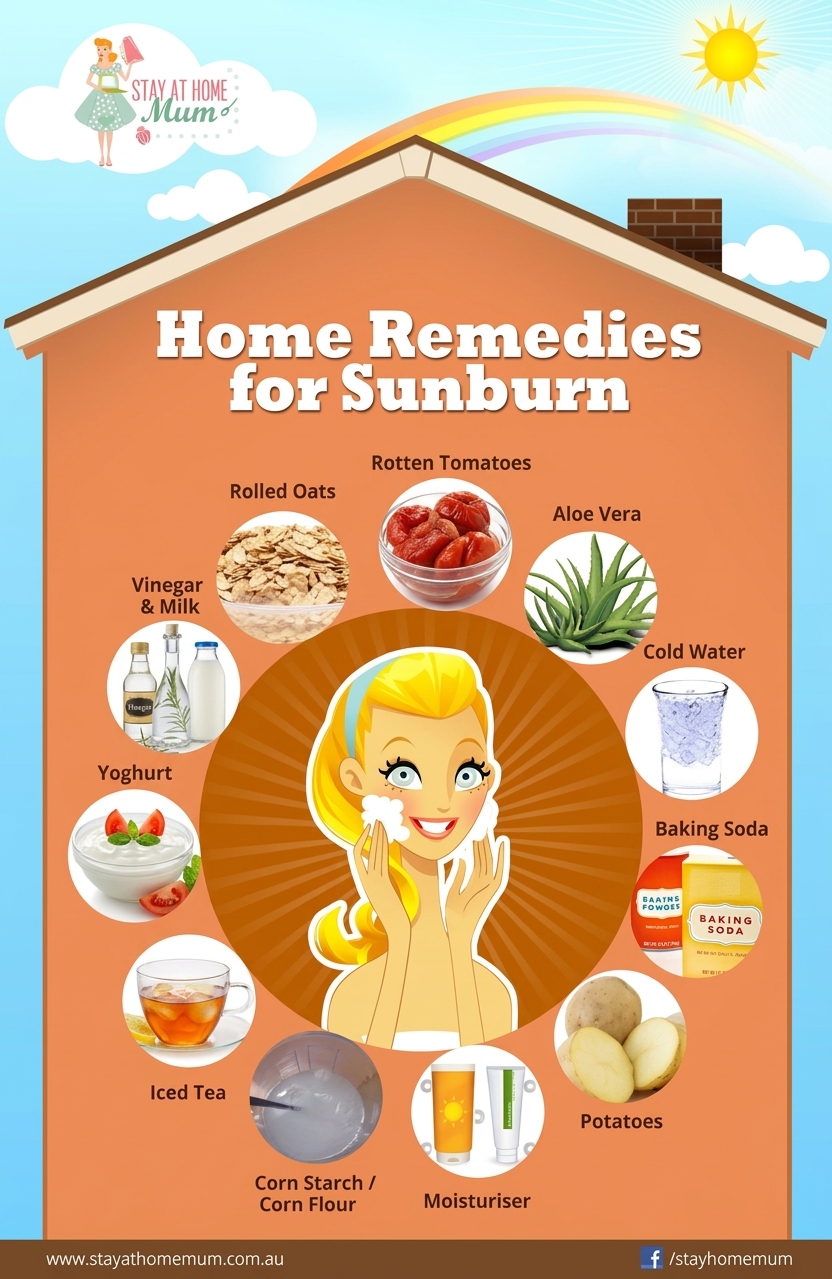
One of the simplest ways to relieve the discomfort of sunburn at home is to apply a cool compress. Cold water can help to reduce the heat on your skin and make it more comfortable.
**How to use it:**
1. Use a clean, cool, soft cloth and wet it with cool water.
2. Gently apply it to the affected area.
3. Sit it there for 10-15 minutes.
4. Repeat as needed.
Avoid putting ice on sunburnt skin. Extremely cold objects can lead to additional skin injury. Use a cool damp cloth instead.
2. Have a Cool Shower or Bath
Taking a cool bath or shower can help cool down sunburnt skin, particularly if a large portion of your body has been exposed.
Do not use hot water; use cool or lukewarm water. Burning may increase with exposure to hot showers.
Pat skin with soft towel after bath. Do not rub on the affected area—sunburned skin may be sensitive.
This is an easy thing to do while your skin starts to heal and you become more comfortable.
3. Apply Aloe Vera Gel for Reduce Sunburn at Home
Aloe vera gel is a popular option to treat mild sunburn. It can relieve discomfort and cool the skin, but is not an answer to all the UV damage.
**How to use it:**
1. Use a simple aloe vera gel that has no scents.
2. Apply sparingly to affected area.
3. Apply it softly, and not with rubbing.
4. Discontinue use if you experience itchy or irritated skin.
Stay clear of aloe vera products with added fragrance, as well as products that contain alcohol, which can irritate sensitive skin. Avoid putting products on open blisters unless a health professional has told you to do so.
4. Always maintain moisturized skin.
Sunburn can dry and tighten your skin and it can be uncomfortable. A soft moisturizer can be useful to help minimize dryness during the healing process.
Use a scent-free, sensitive skin moisturizer. It can be applied after a cool shower, when the skin is still moist.
On hot skin a light moisturizer may be more comfortable than a thick one. Do not use products that sting or cause redness.
Avoid skinning or removing loose skin. Do not peel it off, as this will irritate the skin even more.
5. Stay hydrated by drinking plenty of water.
After being in the sun for a long period of time, sunburn can add to the chances of dehydration.
Water replenishes lost fluids and aids in the normal functioning of the body.
Here are some easy habits to try :
1. Keep drinking water available throughout the day.
2. Increase fluid intake during heavy sweating.
3. Stay in a cool, shaded area.
4. Do not recover in the heat.
There is no way to wash off sunburn, but drinking plenty of water is essential to self-care.
6. Loose and Comfortable Clothes
Tight clothing may rub against burned skin and increase the pain of the sunburn. Wear loose, soft clothing that covers affected areas but does not press them.
Wearing lightweight clothes can also shield the skin from the sun. Avoid sun exposure whenever possible and wear lightweight clothing to protect areas of the body that are affected by sunburn.
Prevent direct sunlight until skin is healed. A brief exposure to the sun can exacerbate discomfort.
7. Don’t use severe home remedies for Reduce Sunburn at Home
Knowing what not to use is also important when attempting to decrease sunburn at home.
Certain household remedies may make worse damaged skin or increase the condition.
Avoid applying:
– Lemon juice
– Baking soda
– Toothpaste
– Strong skin scrubs
– Alcohol- or fragrance-containing products
Never pop blisters or rub off peeling skin. Blisters serve a protective function for the underlying skin, and ruptured blisters may increase the risk of infection.
Use only basic skin care products. A cool water, mild moisturizer, and rest are preferable to harsh treatments.
How long does it take for sunburn to heal?
Symptoms of mild sunburn may begin to improve in a few days. Peeling can start several days after the burn and it can take up to a week or more for the skin to heal completely.
Severely burned skin may be slower to heal.
During this time, still avoid sun exposure. Exfoliating products should not be used on skin that is still red, sore, and peeling.
If symptoms are worsening rather than improving, consult health professional for advice.
When to seek medical attention?
Only mild sunburn is appropriate for home care. Seek medical attention if you have large and/or severe blisters, high fever, strong pain, dizziness, vomiting, confusion, or dehydration.
If you experience confusion, fainting or any other serious symptom, seek medical attention immediately, particularly if you have been in the heat for an extended period.
Children and babies require additional care. If a baby has sunburn or if a child has severe symptoms, contact a health professional.
How to Prevent Sunburn in the Future
The most effective way to minimize sunburn is to avoid getting sunburnt in the first place.
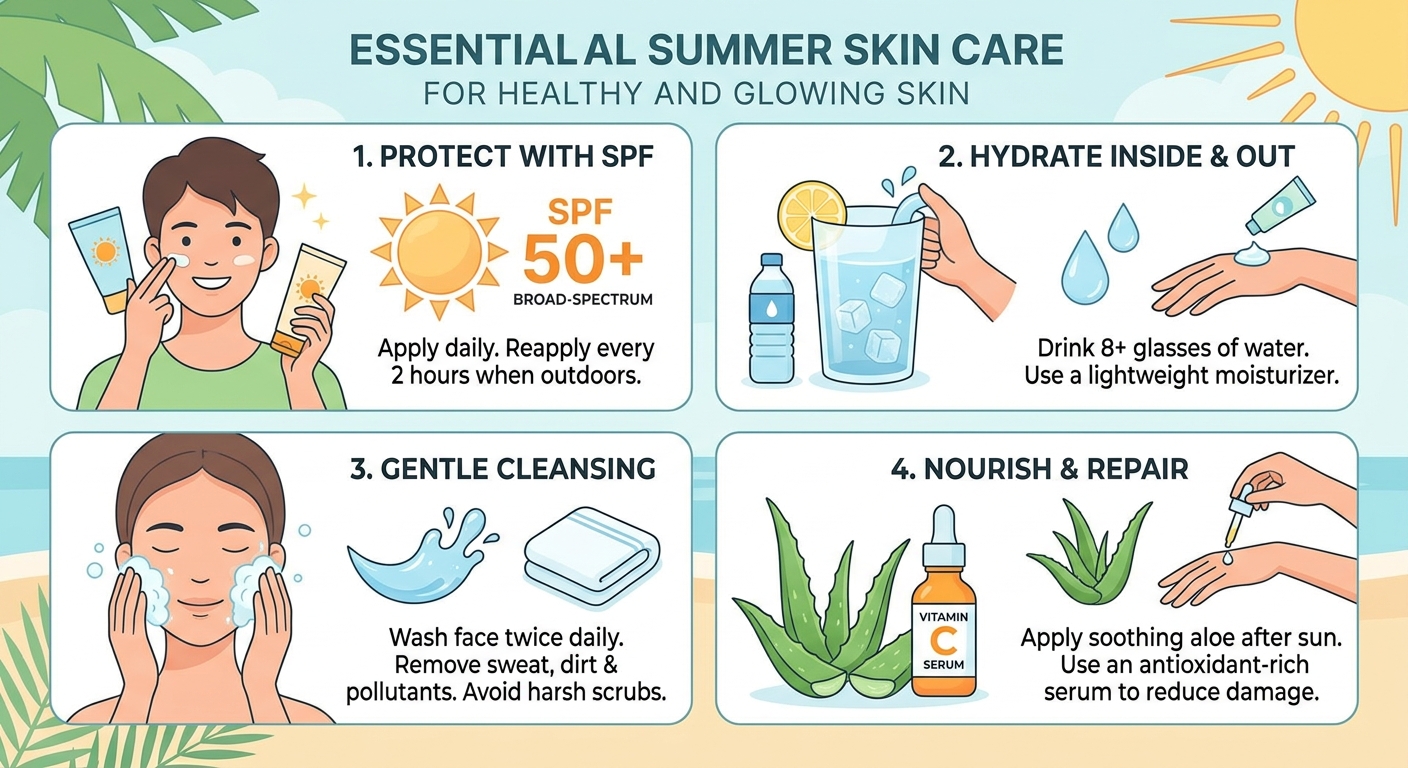
– Apply sunscreen that provides broad-spectrum protection and has an SPF of 30 or above.
– Before leaving, apply sunscreen and reapply it every two hours or more often.
– Reapply after towel drying, perspiration or swimming as directed on the product.
– Wear wide-brimmed hats and protective clothing.
– Avoid exposure to the sun, particularly during peak temperatures.
– Keep in mind that UV rays can penetrate your skin on cloudy days.
Carry sun protection measures with you every day, not just to the beach or on holiday.
Final Thoughts
At home, you can treat sunburn by cooling your skin, using a mild moisturizer, applying appropriate aloe vera gel, drinking water, and staying out of the sun. The following measures can help relieve discomfort until mild sunburn improves.
Don’t use home remedies that might be too harsh, don’t pop blisters and allow your skin to heal. Do not self-manage if having severe symptoms.
Most importantly, use sunscreen, shade, and appropriate clothing to avoid another sunburn.
One thought on “How to Reduce Sunburn at Home: 7 Easy Tips”
Comments are closed.